Podcast Production for Organizations
Podcast Production for Organizations
Mark helps organizations turn expert knowledge, timely conversations, and serious subjects into a podcast people can follow and a team can keep making.
Talk with Mark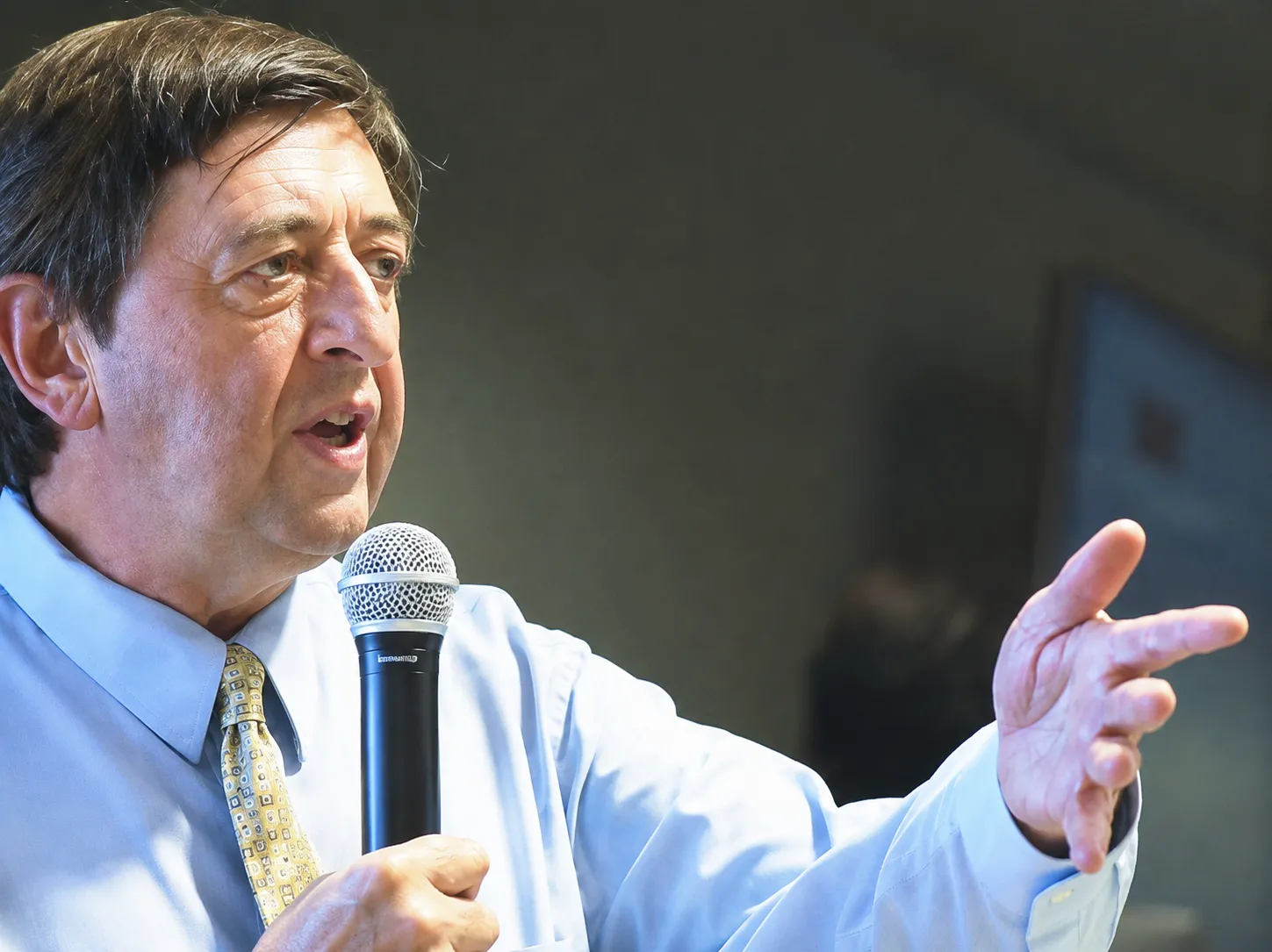
More Than A Recording
Give the message a form people can return to, not another task list for an already busy team.
Organizations often have more worthwhile material than they have time to share it. A subject expert has insight that deserves more than a short post. A leader has a perspective that needs room to develop. A program, campaign, or community has stories that become clearer when someone can ask the next question and let the answer breathe.
A podcast can make that work more accessible, but it also introduces a chain of decisions. Someone needs to settle the purpose of the show, prepare the host and guests, shape the recording, protect accuracy in the edit, organize review, and make sure the finished episode is ready when it needs to be. Those responsibilities can easily land across a communications team that already has a full calendar.
Mark brings the editorial judgment of broadcast journalism and public radio to the production role. He helps organizations keep the people closest to the message involved, while giving the recurring work a clear, experienced owner. The result is a show that feels thoughtful to the listener and manageable to the team behind it.
What The Work Can Cover
Build a clear route from expertise to a finished episode.
Editorial direction
Clarify the audience, purpose, and format so each episode has a reason to exist and the show has a recognizable promise from the start.
Host and guest preparation
Prepare the people who will carry the conversation, including the context, questions, briefing, logistics, and structure that help a recording feel natural and useful.
Production and editing
Plan and support recording, then shape the material with care for clarity, pace, accuracy, sound, and the voice of the people speaking.
Review and release
Create a dependable handoff for feedback, approval, titles, show notes, final files, and the practical details that make a release feel complete.
A Process That Respects The Work
Keep the message accurate, the people prepared, and the production moving.
- Start with the purpose. Establish who needs to hear the work, what the organization wants the conversation to make clearer, and what a strong episode should leave with the listener.
- Set the editorial frame. Decide how the host will guide the discussion, what guests need before recording, and which ideas need more context than a quick answer can provide.
- Make recording practical. Build a setup and schedule that fit the people, locations, and level of production support the organization can realistically sustain.
- Shape the episode carefully. Edit for understanding and momentum without stripping the nuance out of a complicated subject or the personality out of the conversation.
- Give review a clear place. Put the right people in the process at the right time, so approvals improve the work instead of arriving as a last-minute obstacle.
- Carry the learning forward. Use each release to make the next briefing, recording, edit, and handoff easier for everyone involved.
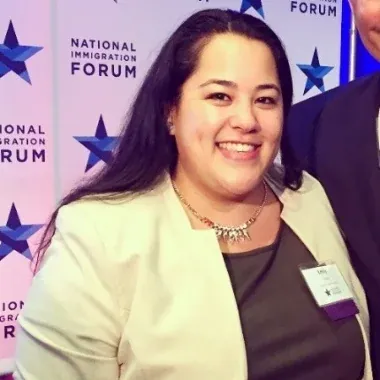
"It was wonderful to work with Mark. He is a wealth of knowledge when it comes to video production and editing. He has a great eye for what works and really goes the extra mile to customize sessions."
Emily Chow, National Immigration Forum
Make Room For The Real Conversation
Expertise is more useful when the audience can enter it.
People rarely give their attention to an organization simply because it has a lot to say. They stay when a conversation helps them understand something, recognize a problem, hear a relevant experience, or make a better decision. That means a podcast needs more than a knowledgeable guest. It needs an editorial point of view that can decide where to begin, when to ask for an example, and what context a listener needs before moving on.
Mark works with teams to create space for that kind of conversation. A host can arrive with a clear purpose rather than a long list of questions. A guest can understand who the audience is and what they are being invited to explain. The final edit can protect the strongest material and remove the detours that make a busy listener lose the thread.
That care matters when the subject involves public policy, professional expertise, education, advocacy, health, technology, or a complicated internal story. The goal is not to make serious work sound simplified. It is to make it easier for a listener to understand why the work matters and what they should take from it.
For a new series, podcast launch services can turn the early idea into a practical first release. For a focused conversation about the format, roles, or production plan, explore podcast consulting.
A Partner For The Whole Team
Give contributors a workable role without putting every production detail on their desk.
Most organization-led shows involve several kinds of expertise. A communications lead may be responsible for the bigger message. A program lead may know the subject best. A senior leader may host or appear as a guest but have very little spare time. Someone may need to check facts, coordinate a partner, or approve the final language around an episode. None of that is a problem when the process makes room for it.
Mark can help establish a production rhythm that gives each contributor a clear moment to add what they know. The team does not need to become a studio. It needs a sensible way to prepare, record, review, and release work without spreading responsibility so widely that no one knows what happens next.
The support can be tailored to the show. Some organizations need hands-on help for every release. Others want to build the initial structure, produce a pilot or limited series, or bring in an experienced editor for key conversations. The useful arrangement is the one that protects the message, respects the calendar, and leaves the organization more confident in the next episode.
For ongoing coordination around a recurring show, see podcast management services. When the priority is a polished final episode from material you have already recorded, podcast editing services may be the better fit.
When This Support Helps
Bring in a producer when the message matters and the process needs to hold up.
Your organization has expertise but no clear show format. Mark can help turn the subject into a repeatable conversation that makes sense to the people you need to reach.
Several people need to contribute or approve the work. A clearer production rhythm can keep knowledge, review, and decision-making connected without slowing every episode down.
A leader or expert needs support as a host. Preparation and editorial guidance give the conversation more focus while letting the host sound like themselves.
You need a partner for a serious or sensitive subject. An experienced producer can help make room for context, accuracy, and the editorial choices that keep the audience with you.
Frequently Asked Questions
Questions before we begin.
What does podcast production for an organization include?
The work can cover the full path from an episode idea to a ready-to-release program: editorial planning, guest coordination, host preparation, recording support, editing, review, show notes, and delivery. The exact scope is built around the people and approval process already involved.
Can Mark work with our communications or marketing team?
Yes. Mark can work alongside the team that owns the message, the people with subject expertise, and the people responsible for final approvals. The goal is to make the handoffs clear without taking the organization away from the decisions it needs to make.
Do we need to know our format before getting started?
No. A launch or planning conversation can help decide whether interviews, host-led episodes, a limited series, or another format best fits the audience and the people who will make the show. A format should be practical to repeat, not simply impressive on paper.
Can you produce a limited series as well as an ongoing podcast?
Yes. A limited series can be a strong way to explore a subject, support a campaign, or make a particular body of knowledge easier to hear. Mark can help plan a focused run as well as an ongoing release rhythm.
How do we begin?
Start with a free consultation. Bring the subject, the people who need to be involved, and the point where the work feels uncertain. Mark can help identify the production support that makes the clearest difference.
Start With The Subject
Bring the expertise, the audience, or the production problem.
Mark will help identify the support that gives the work a clearer route to a finished release.