Podcast Editing Services
Podcast editing services that keep the point intact.
Good editing does more than remove mistakes. It protects the voice of the host, finds the shape of the conversation and gives listeners a reason to stay with it.
Talk with Mark
A Thoughtful Edit
Every episode deserves an editor who is listening for more than noise.
A recorded conversation is rarely the finished episode. There may be a stronger opening buried ten minutes in, a useful answer that needs room to land or a repeated thought that can be removed without changing the speaker's meaning. A good edit makes those decisions with care.
Mark brings the judgment of broadcast journalism and public radio to the details. He works with independent hosts, experts and organizations that need their podcast to sound considered without losing the natural rhythm that made the conversation worth recording.
This is hands-on editorial support, not an automated cleanup pass. The aim is a finished episode that feels clear, confident and recognizably yours.
What You Get
Support that begins with the story, then gets the details right.
Editorial shaping
An edit can tighten a wandering answer, give the opening a better entry point and let the strongest parts of the conversation carry more of the episode. Mark looks for the shape that helps a listener follow the point without making the host or guest sound unnatural.
Sound cleanup
Distracting noises, uneven levels, long pauses and rough transitions can pull attention away from the conversation. Mark cleans and balances the audio so the episode is comfortable to hear and consistent with the rest of the series.
A reliable release rhythm
Regular publishing becomes much easier when the files, review steps and delivery expectations are clear. Mark can help establish an editing rhythm that fits your recording schedule, your approval process and the level of support you actually need.
Show notes and delivery
A finished audio file is only part of the job. Episode titles, descriptions, links, credits and publication checks help the work arrive cleanly. Support can include the practical final steps that keep an episode from stalling after the edit is done.
How It Works
A clear handoff, a considered review, a finished episode.
- Share the recording. Send the original files and any useful context: who the guest is, what you want the episode to do and anything that needs particular care.
- Set the editorial brief. Agree on the format, tone, standard segments, music and review process. For an ongoing show, this becomes a practical working template.
- Receive the edit. Mark delivers a polished version for review, with space for sensible revisions when they help the episode land properly.
- Release with confidence. The final file and supporting details are prepared for the next stage, whether you publish yourself or want help taking the episode through to release.
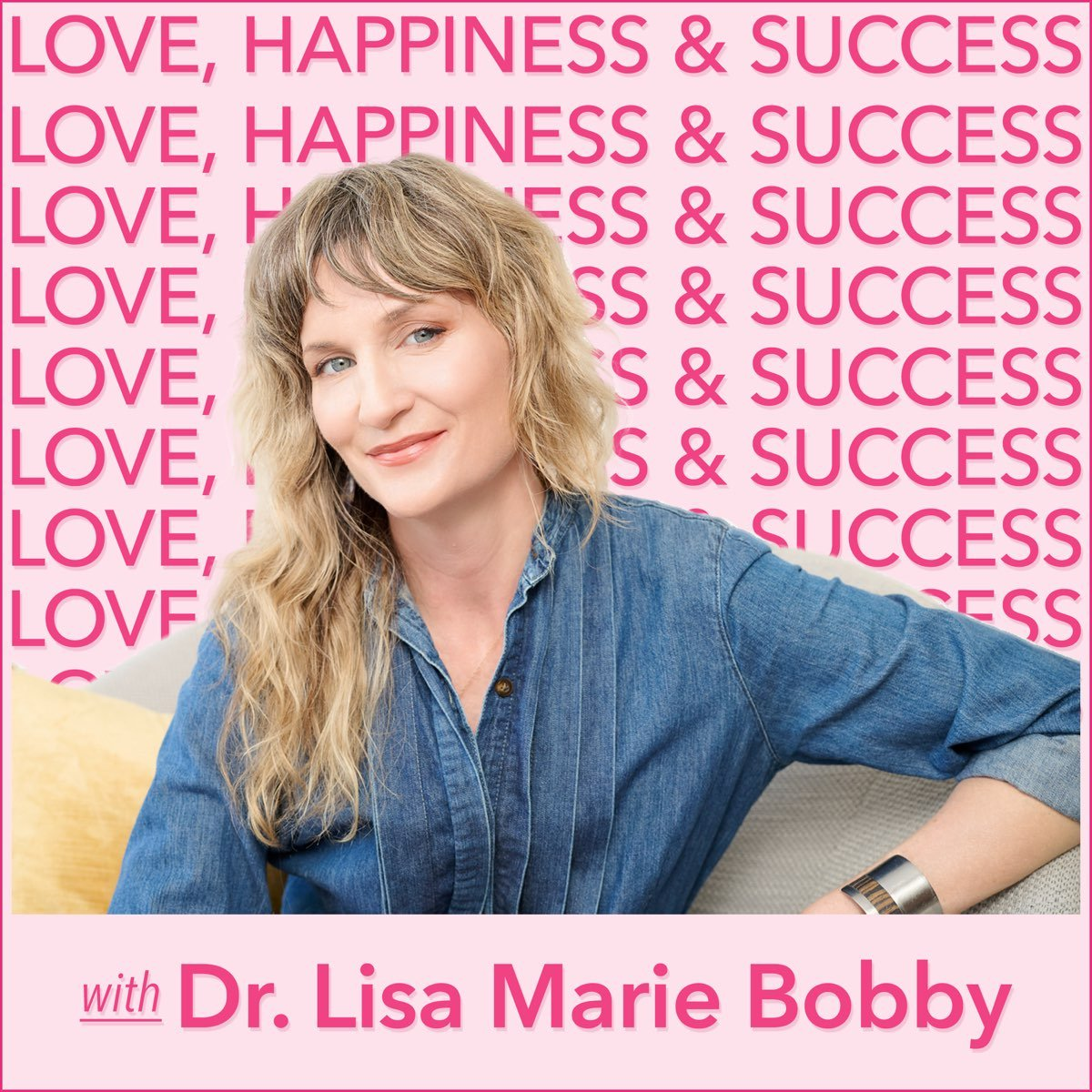
"If you're looking for the best podcast editor, Mark is truly exceptional. His quality is phenomenal. He makes fantastic creative choices, does outstanding content editing, and consistently delivers polished, professional episodes."
Dr. Lisa Marie Bobby, Host of Love, Happiness and Success
The Editorial Decisions
Editing should make the listener's experience easier, without sanding away the person speaking.
Every conversation presents choices. A host may have asked a question twice before finding the cleanest version. A guest may take a moment to reach the useful part of an answer. A relevant story may arrive late, after a detour that was helpful in the room but will not serve the finished episode. Those are not mechanical problems. They call for someone who can listen for intent, context and pace.
Mark works from the premise that the host and guest should still sound like themselves. The edit can remove repetition, false starts and unnecessary turns without making a thoughtful speaker sound overly polished or a warm exchange feel abrupt. When the natural pause carries meaning, it stays. When an aside helps establish trust, it may deserve more room. The right choice depends on the purpose of the episode and the relationship you want to build with listeners.
That is particularly useful for interview-led shows, expert conversations and mission-driven organizations. The work has to be clear enough for a new listener while respecting the nuance that makes the subject worth hearing. Mark's background in journalism, production and teaching brings a practical editorial standard to that balance.
You remain close to the decisions. Before ongoing work begins, you can agree on the standard approach to openings, guest introductions, music, sponsor messages, sensitive material and revisions. Once the rhythm is clear, the workflow becomes less demanding without becoming impersonal.
Built For The Long Run
Start with one episode, then build a process that can keep going.
Some shows need help with a single important interview, a limited series or a relaunch. Others need a dependable partner for every release. The right arrangement depends on how often you record, who needs to approve the work and how much of the publishing process you want to keep in house.
For recurring production, Mark can help turn a collection of individual tasks into a stable routine. That may mean a simple file-naming system, a clear handoff after recording, a normal review window and a shared understanding of what is included in each episode. The value is not bureaucracy. It is fewer last-minute decisions and more confidence that the next episode will be ready when you need it.
As the show develops, the editing can develop with it. You may discover that a shorter opening helps, that a recurring question creates a stronger structure or that certain guests need more preparation before recording. Those observations can feed back into the production process, making future sessions easier and the finished work more useful.
For a broader view of launch, production and video support, see podcast and video production. If you are preparing a new show, the podcast launch process can help clarify the decisions that come before the first recording.
When Editing Helps Most
Bring in experienced support when the conversation matters and the process needs to hold up.
You are the host and the producer. Recording, preparing guests, reviewing files and publishing can become a lot to carry. A trusted editor gives you your attention back for the parts only you can do.
Your show relies on expertise. Interviews with leaders, researchers, clients or community voices need to be accurate and easy to follow. Editorial judgment matters as much as clean sound.
Your episodes are consistent, but the process is not. Mark can help make the handoff and review routine clearer, so each release does not require rebuilding the workflow from scratch.
You need a calm second set of ears. Before a sensitive, complex or high-profile episode goes out, an experienced listener can help you decide what should stay, what needs context and where the edit can be stronger.
Frequently Asked Questions
Questions before we start.
What does podcast editing include?
Each episode is shaped around the conversation and the agreed format. That can include removing distractions, improving pacing, cleaning and balancing audio, placing music or standard segments, preparing show notes and making the file ready for review or release.
Can you edit interviews recorded remotely?
Yes. Remote recordings often need extra care with levels, room sound, connection dropouts and uneven microphones. Mark reviews the material for what will make the conversation easier to follow, then treats the recording accordingly.
Do I need to know audio software?
No. You only need a practical way to record and send the files. Mark can help you settle a recording approach, explain what to capture and handle the editorial and technical work after the conversation.
Can you help with a show that already has an editor?
Yes. Some clients need a second set of editorial ears, a temporary handover during a busy period, help establishing a repeatable template or support with a particular episode or series.
How do we begin?
Start with a free conversation about the show, your release rhythm and the kind of support that would make production easier. Mark can then recommend a practical scope, whether that is episode editing, a fuller production role or a focused piece of coaching.
Let's Talk
Give the next episode the attention it needs.
Tell Mark about your show, the recording rhythm and the support you have in mind. The first conversation is free.