Corporate Podcast Production
Corporate podcast production that makes expertise worth hearing.
Mark helps companies shape expert conversations into a podcast people can follow, with an editorial process that keeps the work clear, credible, and moving.
Talk with MarkMore Than A Company Microphone
Give the people behind the business a reason to sound like people.
A corporate podcast has to do more than fill a content calendar. It needs to give listeners a useful way into the knowledge, questions, and people behind a company. That could mean a leader explaining a change, a subject specialist making a complicated issue easier to understand, or a host drawing out the experience that a customer, colleague, or partner can actually use.
Those conversations are valuable because they can carry more thought than a short post or polished statement. They are also easy to get wrong. An internal team can have plenty to say but no repeatable way to decide what belongs in an episode, prepare busy contributors, protect accuracy, manage review, and release the work without piling another project onto someone’s desk.
Mark brings broadcast journalism, public radio, and production experience to that practical problem. He helps a company find the listener’s real question, prepare the people closest to the answer, and make the editorial choices that leave a finished episode clear rather than corporate. The result is a show with a recognizable point of view and a process the team can sustain.
A Practical Production Path
Move from company expertise to a clear, listenable release.
Set the editorial purpose
Clarify who the show is for, what it should make easier to understand, and why a listener should return. A useful purpose gives the series, format, and guest choices a clear center.
Prepare the conversation
Brief hosts and guests around the audience, the essential questions, and the context that needs to be on the table. Preparation helps experts sound natural without leaving the interview to chance.
Produce with care
Plan recording, shape the discussion, and edit for pace, clarity, and accuracy. The point is not to flatten every voice into the same message, but to make the strongest material easier to hear.
Keep release dependable
Build sensible handoffs for feedback, final files, titles, show notes, and publishing. A repeatable release rhythm helps the company keep its standard without reinventing the process each time.
What The Process Protects
Make room for good thinking without letting the details take over.
- Start with a listener’s need. A company has many messages. A strong episode chooses one question that is genuinely useful to the audience and gives it enough room to develop.
- Let subject experts stay human. Good briefs and thoughtful interviewing make technical knowledge easier to follow without turning a real conversation into a string of approved talking points.
- Give senior contributors a workable role. Leaders and specialists can prepare well when they know the purpose, the format, and the part only they can play. They do not need to become broadcasters overnight.
- Put review in the right place. Clear decision points help a company protect accuracy, confidentiality, and brand standards without sending a nearly finished episode back to the beginning.
- Build for the pace you can keep. The right production plan respects the team’s calendar and the listener’s expectations. A smaller, well-made series is more useful than an ambitious schedule that falls apart.
- Make video serve the conversation. When video is part of the plan, the full episode and selected clips should come from a strong central conversation, not distract from it.
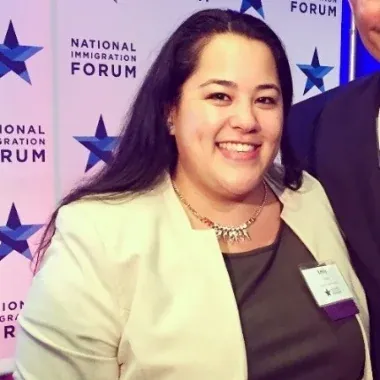
“It was wonderful to work with Mark. He is a wealth of knowledge when it comes to video production and editing. He has a great eye for what works and really goes the extra mile to customize sessions.”
Emily Chow, National Immigration Forum
A Show With A Point Of View
Turn access to expertise into a conversation people can use.
The most useful company podcasts do not sound like a brochure read aloud. They give the audience access to a perspective, a decision, or a piece of experience that would otherwise remain inside a meeting, a product team, or a specialist field. The company earns attention by helping the listener understand something, not by saying more about itself.
That takes editorial judgment. Someone has to notice when a claim needs an example, when a guest has skipped the context a new listener needs, when a host should ask a harder follow-up, or when an edit can make room for the thought that matters most. Mark’s background in journalism and public radio shapes those choices before recording and after it.
A show can begin as a pilot, a limited series, or a new production rhythm for an established program. For broad support across a company or institution, see podcast production for organizations. If the work begins with a new show concept and first release, podcast launch services offers a focused starting point.
Support That Fits The Company
Bring in an experienced producer where the work needs a steadier hand.
Some companies need help creating the format, pilot, and initial working rhythm. Others already have a host and a subject, but need more reliable preparation, recording support, editorial shaping, or release coordination. Mark can join at the point where the project needs someone to hold the process together and protect the quality of the conversation.
That may mean preparing an executive for an important interview, helping an internal team build a usable guest brief, shaping a sensitive discussion so it stays clear, or carrying the recurring work that makes a show harder to sustain than it first appeared. The scope follows the assignment, the people involved, and the cadence that makes sense for the company.
When the audience is other businesses, B2B podcast production provides a more specific fit. For an existing show that needs dependable operational support, explore podcast management services. When a polished video workflow is central to the assignment, video podcast production can bring the full episode and selected cutdowns into one process.
When This Is A Good Fit
Bring in a production partner when the company has something useful to say and needs a clear way to say it.
Your company has deep expertise but no clear show format. Mark can help turn the topic into a repeatable conversation that feels worthwhile to the people you want to reach.
Busy leaders or specialists need preparation. The right brief, questions, and recording plan help contributors make better use of limited time without sounding over-rehearsed.
Several teams need to contribute or review. A practical production rhythm makes room for the people who own the message and the details without losing momentum.
The show needs to feel more considered than a recording. Editorial shaping, careful listening, and reliable finishing give the audience a clearer reason to stay with the conversation.
Frequently Asked Questions
Questions before we begin.
What is corporate podcast production?
Corporate podcast production brings the editorial and practical parts of a company podcast into one working process: defining the audience and format, preparing hosts and guests, recording, editing, review, and release. The right process helps a company sound considered without making the conversation sound scripted.
Can Mark work with our communications or marketing team?
Yes. Mark can work with the people responsible for the message, brand, subject expertise, and approvals. The aim is to make each person’s role clear while giving the conversation an experienced editorial owner.
Do we need a finished concept before a first conversation?
No. A first conversation can begin with the expertise, audience, business question, or internal pressure point that prompted the idea. From there, Mark can help determine whether a pilot, limited series, or ongoing show is the right starting point.
Can a company podcast include video?
Yes. Recording, editorial shaping, full episodes, and selected short clips can be planned as one workflow when video serves the audience and the company’s wider communications needs.
How do we keep reviews from slowing production down?
The work starts by agreeing who needs to review what, when their input is most useful, and who has the final decision. A clear review rhythm protects accuracy and brand standards without turning every episode into a last-minute approval scramble.
Start With The Assignment
Bring the expertise, the people, or the production problem.
Mark will help identify the support that gives the next conversation a clearer route to release.